
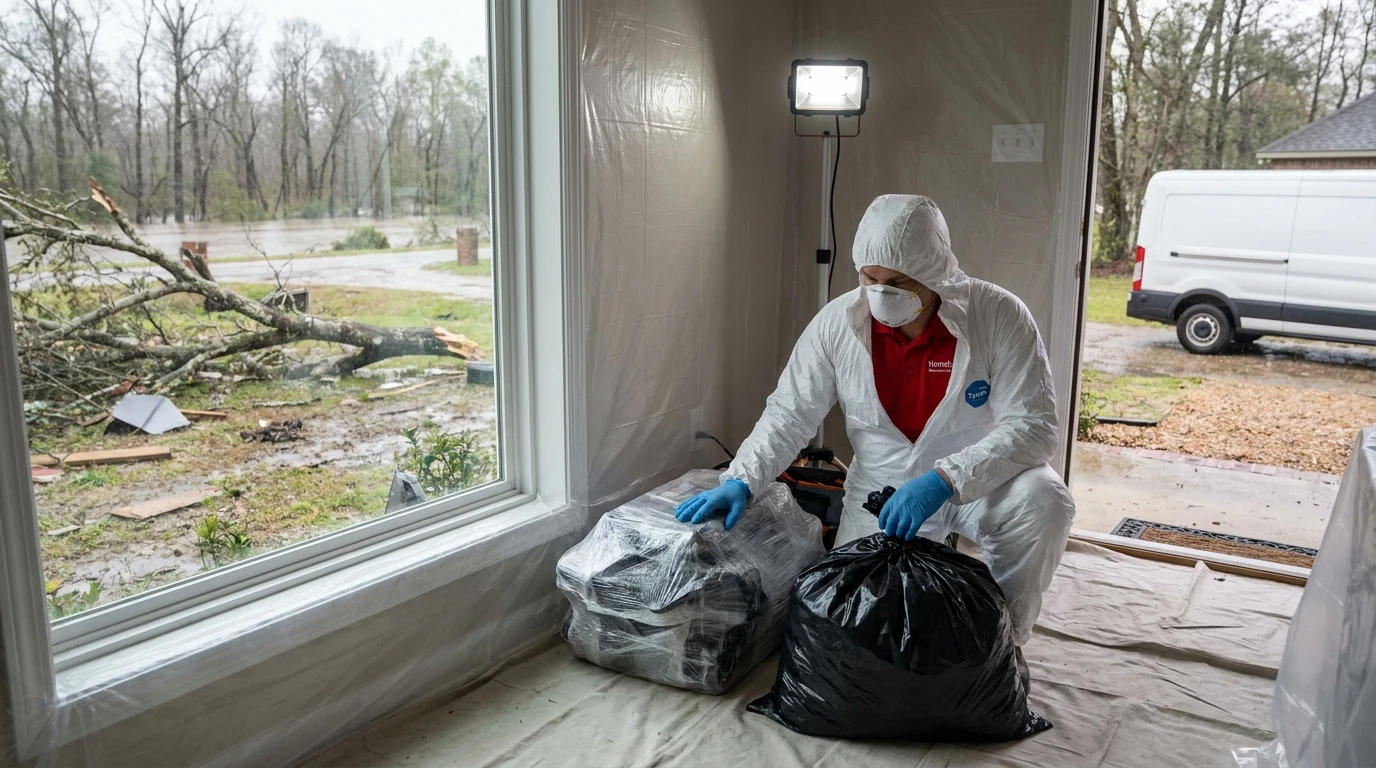
TL;DR: Storm surge, heavy rain, and overwhelmed septic systems routinely push sewage and contaminated floodwater into Mississippi Gulf Coast homes, and that water is classified as Category 3 (black water) within 24 to 48 hours. Preparing ahead means protecting backflow points and documenting your home before landfall; recovering safely means treating any storm floodwater as a biohazard, not just a mess, and using EPA-registered disinfectants and proper PPE rather than a mop and bleach.
If you live in Big Point or anywhere along the Pascagoula River basin, you already know a hurricane doesn’t end when the wind dies down. The real risk often shows up a day or two later, when floodwater that backed up through a toilet, a septic system overwhelmed by storm surge, or a tree limb through the roof leaves behind more than soggy carpet. Low-lying stretches near Highway 613 and the river bottoms around Hurley flood fast and drain slow, and that standing water carries bacteria and waste long after the storm itself has passed.
How Does Storm Damage Turn Into a Biohazard Situation?
Floodwater becomes a biohazard the moment it mixes with sewage, agricultural runoff, or standing water that sits for more than a day or two. The EPA and CDC both classify this kind of water as Category 3, or black water, meaning it carries bacteria, viruses, and parasites that pose a real health risk on contact.
Along the Mississippi Gulf Coast, three things turn ordinary storm damage into a biohazard job: septic systems backing up under storm surge, municipal sewer lines overwhelmed by rainfall, and wildlife or livestock carcasses left behind by rising water. In rural stretches around Big Point and McLain, septic backups are especially common because tanks sit low and drain fields saturate quickly.
There’s also a second, less-discussed category: trauma. Storm events can involve injury, and in the aftermath of evacuations, unattended deaths are occasionally discovered in homes that sat vacant. Both biological contamination from floodwater and trauma cleanup fall under the same regulatory umbrella, OSHA’s bloodborne pathogen standard, and both require the same discipline: contain it, don’t touch it, call someone trained to remove it.
How Can You Prepare Your Home Before a Storm to Limit Biohazard Risk?
The single most effective prep step is installing or testing a sewer backflow valve before hurricane season, since this one device is what keeps sewage from being pushed backward into your home during surge.
Beyond that, a few practical steps cut your risk significantly:
- Test your sump pump and backflow valve every spring, not just when a storm is forecast.
- Move stored chemicals, cleaning supplies, and fuel containers off low shelves and garage floors; these mix with floodwater and complicate cleanup.
- Photograph every room before the storm. If a biohazard claim follows, this documentation matters for your insurer.
- Know your evacuation route out of low-lying areas near the Pascagoula River early. Waiting until surge is forecast narrows your options fast.
- Check your policy for sewer backup and flood endorsements. Standard homeowners insurance typically excludes flood damage and often limits sewage backup coverage to a small rider amount, so confirm what you actually have before the season starts.
Preparing the structure matters too. Our storm damage restoration crews often see the same pattern after Gulf Coast storms: homes with boarded windows and secured roofs come through with far less contamination than homes left open to wind-driven rain.
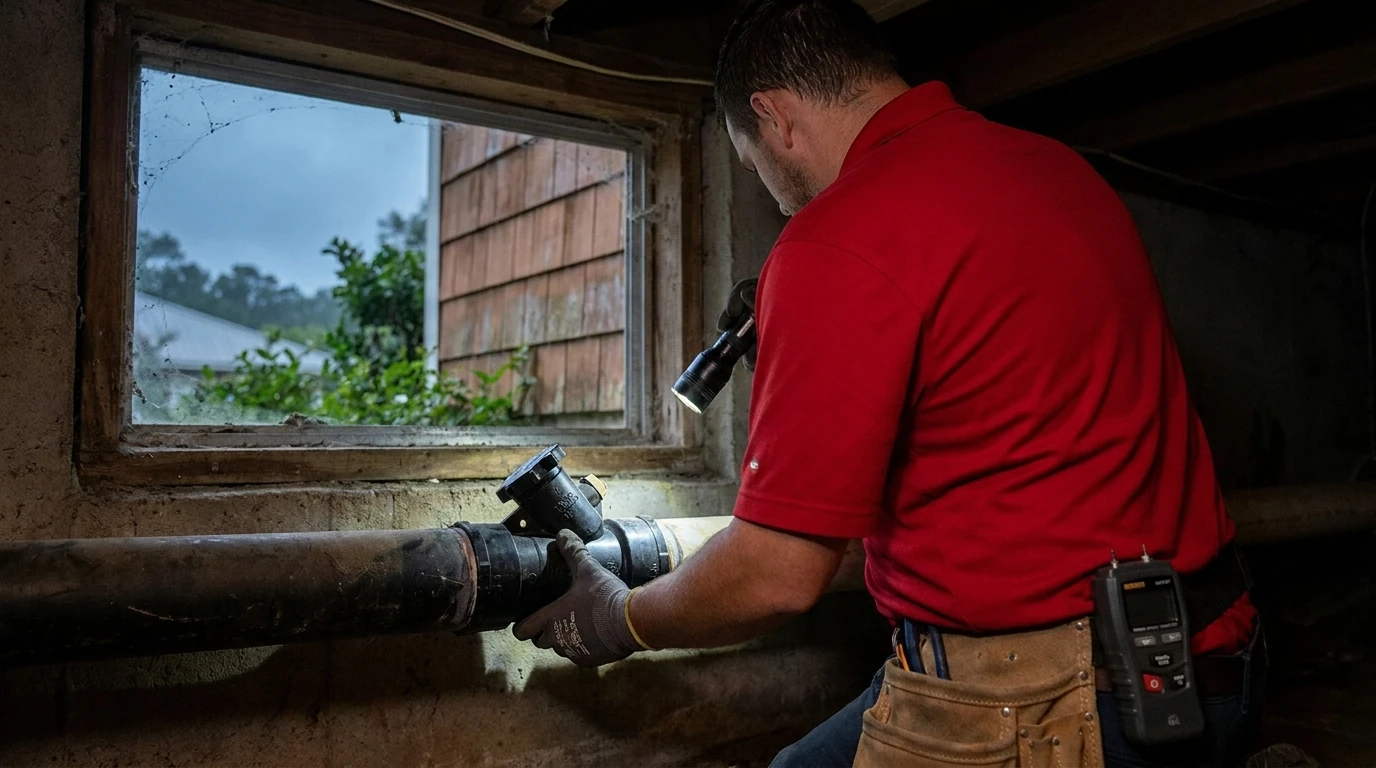
What Does Biohazard Cleanup After a Storm Actually Involve?
Biohazard cleanup after a storm starts with containment and PPE, not demolition. A technician in a full Tyvek suit, gloves, and respirator assesses the affected area before anything is touched, because the goal is stopping cross-contamination first.
From there, the process generally follows these steps:
- Assessment and containment. The affected area is sealed off from the rest of the home to keep contaminated water or materials from spreading.
- Removal of unsalvageable materials. Porous materials that absorbed Category 3 water, carpet, drywall, insulation, are typically removed rather than dried, since they can’t be safely sanitized.
- Extraction and cleaning. Remaining water is extracted, surfaces are cleaned, and EPA-registered disinfectants are applied to hard surfaces.
- Deodorization and drying. Air scrubbers and dehumidifiers address lingering odor and moisture that could otherwise feed mold growth.
- Disposal. Contaminated materials are bagged and disposed of according to state and OSHA guidelines, not put out with regular household trash.
This is also where sewage cleanup and water damage restoration overlap with biohazard protocols. A storm-flooded home in Big Point often needs both at once: structural drying for the water and biohazard-grade sanitation for whatever that water carried in with it.
What Should You Do If a Storm Leads to a Trauma Situation?
If a storm results in an injury, death, or discovery of an unattended death, call 911 or the appropriate authorities first, before anyone attempts to clean anything. Law enforcement or the coroner must release the scene before any cleanup can legally begin.
Once a scene is released, trauma and biohazard cleanup should be handled by a trained crew, not family members or a general cleaning service. Blood and bodily fluids carry bloodborne pathogen risk under OSHA standards, and improper handling can create legal and health exposure beyond the original incident. A professional crew works discreetly, with unmarked arrival when requested, and focuses on returning the space to a safe, livable condition without adding to an already difficult moment.
What Should You Do Next?
If you’re staring down hurricane season in Jackson County or you’re already dealing with floodwater that’s been sitting for more than a day, treat it as a biohazard until proven otherwise. HomeLyft Restoration MS responds to storm and biohazard calls across the Mississippi Gulf Coast, including Big Point, Hurley, and the surrounding Pascagoula River communities, and can scope both the structural drying and the sanitation side of a storm loss in one visit.
Getting your home properly dried, disinfected, and documented now is what keeps a storm event from turning into a second, slower problem, mold, lingering odor, or a denied insurance claim because the contamination wasn’t addressed correctly the first time.
About HomeLyft Restoration MS
This post was written with the HomeLyft Restoration MS team, led by Terry Robinson. HomeLyft Restoration MS is an IICRC Certified Firm serving Gulfport and the Mississippi Gulf Coast since 2022, holding Mississippi license RO 2728. The company’s technicians carry IICRC WRT, ASD, FSRT, and AMRT training along with OSHA safety training, and the crew handles water damage restoration, storm damage restoration, sewage cleanup, and biohazard cleanup across Jackson, Harrison, and Hancock counties, available 24/7 for emergency response.
Need help now? Call HomeLyft Restoration MS at +12282845200.